If the Waves Disappeared
An Observative Note on the Mentawai Islands
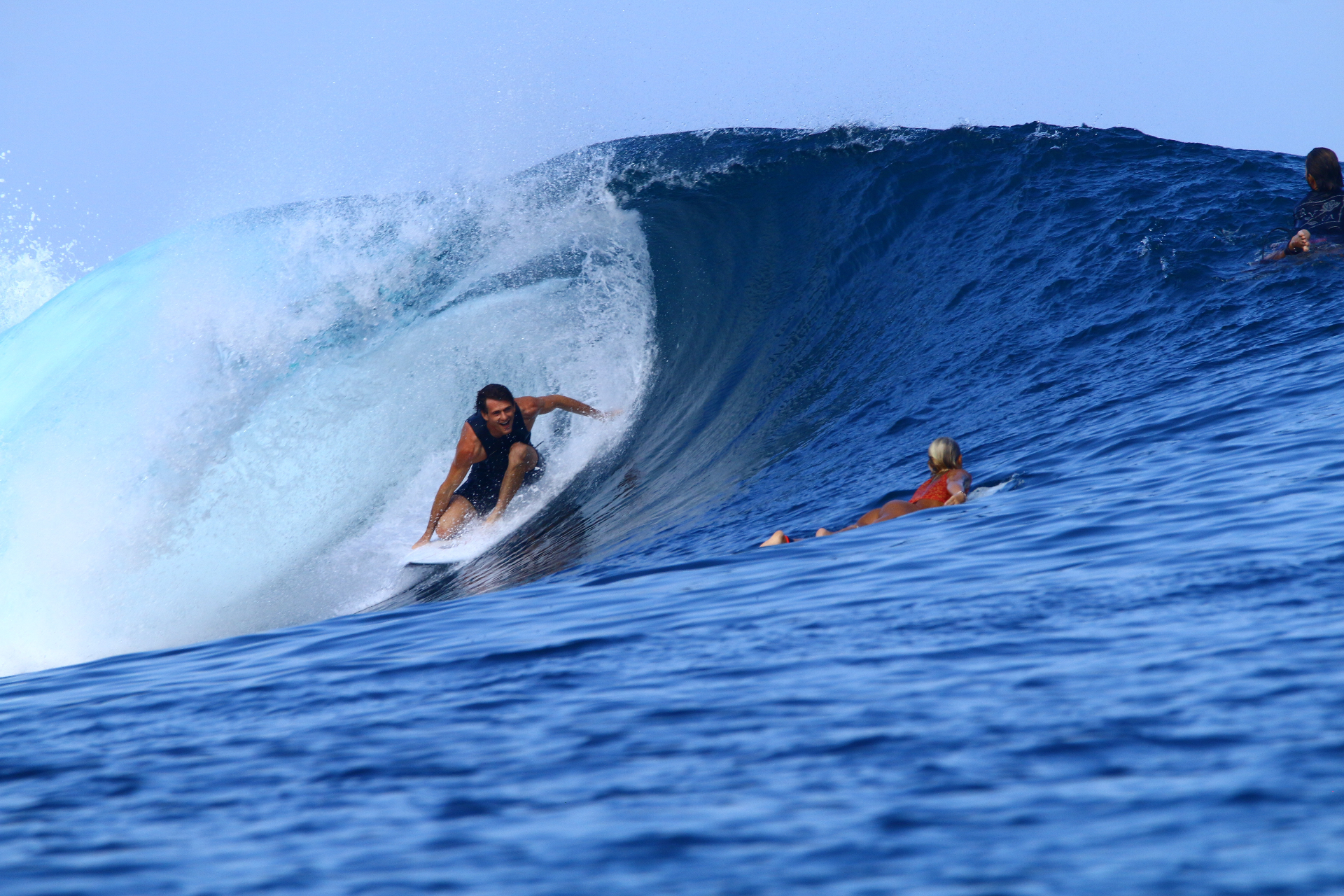
If we woke up tomorrow and the waves on the Mentawai Islands disappeared, what would the islands mean to us? Not simply unsurfably wind swept. Not only a period of flatness. But completely gone, forever; a pin on the surfer’s dream map, removed…
If we woke up tomorrow and the waves on the Mentawai Islands disappeared, what would the islands mean to us?
Not simply unsurfably wind swept. Not only a period of flatness. But completely gone, forever; a pin on the surfer’s dream map, removed.
Regardless of the waves’ absence, the islands would still breathe exotic life. The children would laugh in the streets, the reefs would shimmer beneath transparent turquoise water, the forests would remain home to the islands’ abundant wildlife, and the people who have lived there for generations would continue to shape their days around tradition, connection, passion, and dreams.
Would our attention disappear with the swell lines?
Our answer may say more about us than it does the Mentawai Islands.
If our attention does disappear, dwindle, or dissolve, could it suggest we value this destination more than the life that exists within it? Have we unknowingly reduced the Mentawai Islands to what they can offer us? A tool to satisfy the ocean devotee within us?
These are conversations we’re still avoiding. Like any industry or community, surfing isn’t immune to ego. At times, it can become a deeply individualistic pursuit, focused on chasing perfect waves, collecting personal experiences, and ticking destinations off a bucket list. It’s easy to become so consumed by what happens in the water that we forget about the people whose home we’re visiting.
Maybe it’s time we asked ourselves harder questions.
Because of our love for swell lines, the Mentawai Islands now face an urgent question: who will benefit from the rapid growth of surf tourism? Our Ocean School, a not-for-profit organisation led by women, hopes not only to keep pace with that change but to empower the islands’ communities to remain custodians of their home alongside tourism’s growing presence.
Janiece, the co-founder, shares:
“The decisions we make today will determine whether the next generation become leaders within that industry or spectators watching it develop around them.”
With the opening of the international airport in the Mentawai Islands last year, more than 50,000 tourists are expected to visit the islands annually, accelerating the transformation of a previously underdeveloped economy into a major tourism hub.
This growth presents significant challenges. Only around five per cent of the Mentawai population have even basic English language skills. Without those skills, there will likely be a rapid influx of foreign workers and workers from other parts of Indonesia to fill many of the best-paid roles. As a result, local Mentawai people risk being displaced from the very opportunities surf tourism creates, producing a two-tiered economy in which the greatest benefits flow elsewhere.
In other words, if the Mentawai Islands people are not equipped with the tools to harness the benefits of surf tourism, of outsiders using their home as a tool to satisfy themselves, we are heading towards another picture of neo-colonisation — of Bali.
We are not suggesting tourism is inherently good or bad. Tourism is a tool. And as with any tool, it can either empower communities or leave them behind.
Janiece explains:
“If local people aren’t given access to education, language skills and employment pathways, tourism often concentrates wealth in the hands of outsiders. Locals may see the hotels being built, the boats arriving and the businesses growing, yet remain excluded from many of the opportunities those industries create. Tourism alone doesn’t create opportunity. Opportunity only exists when people have the skills, education and confidence to participate in it. Surf tourism has undoubtedly brought economic opportunity, but it has also highlighted inequality.”
For Our Ocean School, the answer is not resisting tourism but empowering local people through education. Through English language, swimming, surfing, lifesaving, and first aid programs, the organisation builds confidence, employability, and opportunity, ensuring local people are equipped to participate in—and benefit from—the future of surf tourism.
Education, then, becomes more than learning English. It becomes a way for communities to remain active participants in shaping their own future.
Janiece says:
“The challenge is ensuring the people who have protected these islands for generations are also the people who benefit most from their future.”
Surfing is meant to be all-encompassing: an open arm to life. Humbling, interconnected, and freeing. Yet how true is that if our values end where the water does? If we truly love a place, shouldn’t our care extend beyond the waves? Janiece believes it should.
“Respect isn’t just about how we behave in the lineup. It’s about how we behave when we leave the beach. How we interact in villages. How culturally respectful we are. Whether we make an effort to learn a few words of the local language, understand local customs, support local businesses and build genuine relationships with the people who call these islands home. If surfing is truly about connection, then that connection shouldn’t end when we paddle in. It should extend to the communities that make these extraordinary places possible.”
So what can we do, as surfers and as visitors, to help keep that future in local people’s hands? Janiece shares:
“I think the first step is simply to care. Get to know the community here. Meet the children. Learn about the people who call these islands home. Then tell others. Share what we’re doing with your friends. Introduce us to small surf brands looking to collaborate, or larger companies that genuinely want to give back and create lasting impact. Talk about the opportunities that exist here, not just the surf. The more people who know about Our Ocean School and the work we’re doing, the more lives we can change together.”
Of course, financial support makes a huge difference too. Whether that’s through donations, sponsorships, volunteering your time, providing educational resources or partnering with us on projects, every contribution helps us reach more young people.
Curiosity urges us to consider: What are people really investing in when they support this work?
“They’re investing in possibility. They’re helping a child believe they belong in the future that’s being built around them. They’re investing in local leadership, stronger communities, healthier oceans and a tourism industry that benefits everyone rather than a select few. Ultimately, they’re investing in a future where the people of the Mentawai Islands are not simply part of the tourism story—they’re the authors of it. But what I think many people don’t realise is that this isn’t just about helping Our Ocean School. It’s about strengthening the future of the entire Mentawai surf community.”
Knowing this, we can then ask: If the waves on the Mentawai Islands disappeared tomorrow, would we still care about them?
It’s a confronting question. Not simply because of our desires or our annual overseas surf trip, but because of the truth it reveals about ourselves—our relationship with surfing, place, and the communities that live within it.
Are we using surfing simply as a tool for self-gratification rather than allowing it to deepen our connection to people and place?
Perhaps the greatest reminder we can hold is that the Mentawai Islands are not tools. They are homes. To animals, people, culture, and life itself.
What we need most may be to remember to care not only about the waves, but also about the communities that live beside them.