The Fragile Line Between Connection and Extraction
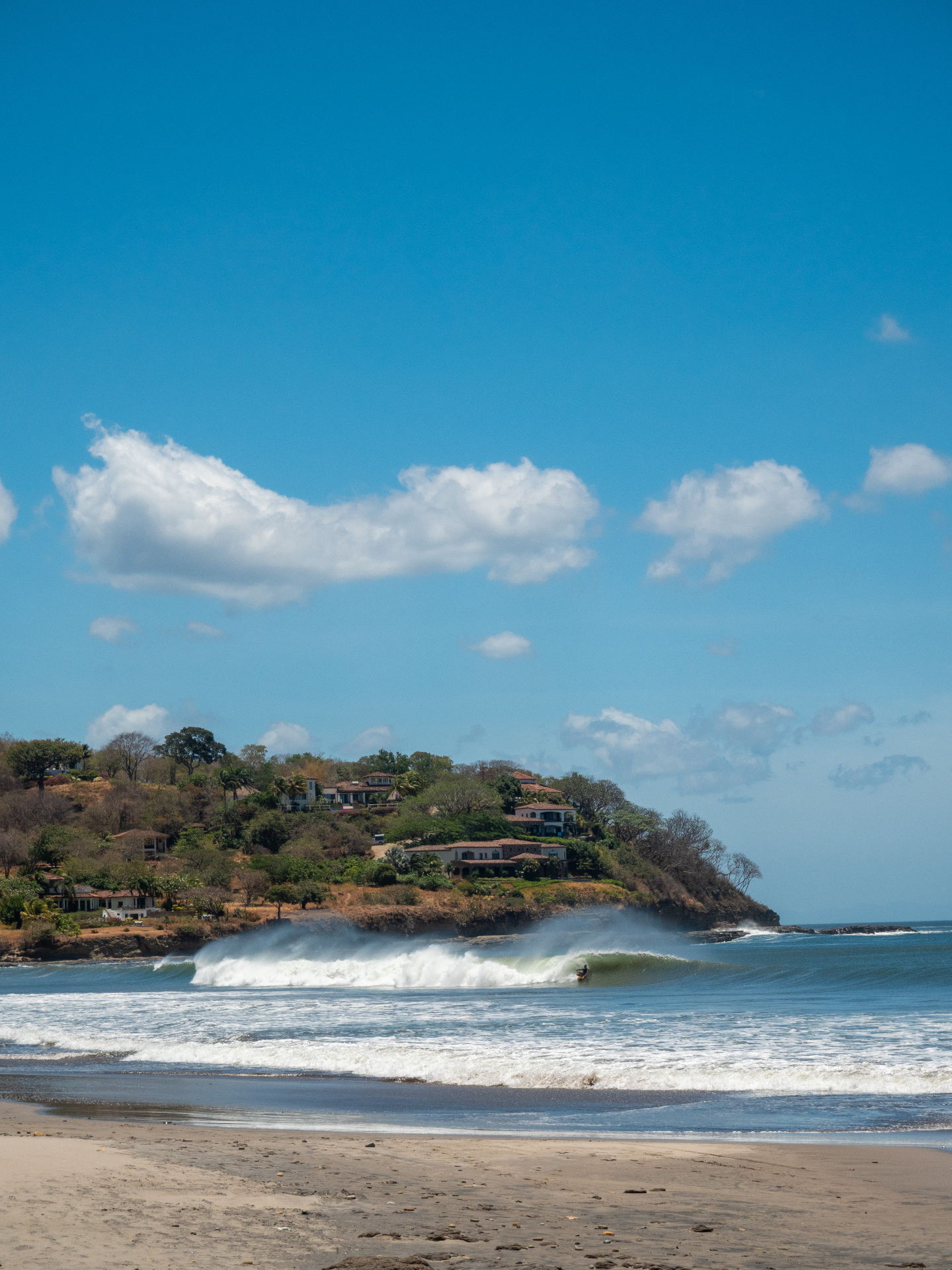
Beneath all of this lies something deeply human: the search for a “happy” place in the world — a personal Eden where life begins to resemble what a person longs for, rather than what they are trying to escape.
By Alex Day
Some conversations are hard to approach without discomfort. Yet difficulty should never be met with avoidance. This is one of them — and it will not remain escapable for much longer.
Can surf tourism exist without becoming a form of neo-colonialism? Can it exist through connection rather than extraction? Can we truly have one without the other?
There may be no simple answer, but we must wade through its complexities.
To welcome ourselves into this conversation honestly, we must acknowledge that everyone holds a differing opinion on what “taking” actually means; everyone believes they have the right to build a world they want to see. Beneath all of this lies something deeply human: the search for a “happy” place in the world — a personal Eden where life begins to resemble what a person longs for, rather than what they are trying to escape.
The location. The people. The environment. The absence of certain struggles. The perceived simplicity. A configuration of ingredients that pledges a more honest form of contentment.
For some, this means building a life through the surf tourism industry itself: cafes, surf schools, resorts, photography businesses. For others, it means relocating to a foreign coastline in the pursuit of the language surfing speaks: freedom, simplicity, escape, slow-unhurried lives and the closeness to untouched world-class waves.
Both endeavours stem from the same search: the yearning to move toward a life of happiness that feels more aligned with the self. To fulfil the burning desire to be kissed by the ocean itself.
“Taking,” then, is not necessarily the premise – fulfilling their deeply human pursuit of happiness is. Accessing the belief that one should be allowed to live where they feel most alive, in a world that no one truly owns.
However, money becomes the currency of this permission. It grants access to these ideals – geography, topography, opportunity and movement. And it is also where surf tourism begins to fade into neo-colonialism. Without money, many of these dreams remain out of reach, yet with money comes the power to create and sustain neo-colonialism.
In a life where everything is ultimately borrowed, and eventually returned once we are no longer here to hold it, perhaps we have to ask a difficult question: Are people only permitted to migrate toward or build within wealthier countries so they themselves are not considered neo-colonialists?
Our migration seems always to be from familiar to foreign, from our community's coastline to another, dominantly following a pattern of imbalance. The relocation happens from people who live and work within a wealthier country, where their currency holds higher value than the place they originate from.
If so, we risk painting everyone searching for their version of happiness with an impossibly broad brush.
Alternatively we could question it this way: is movement itself not the problem, but rather how we arrive somewhere? Is it the way we reshape a place around our own comfort, and around our own pursuit of happiness?
Does someone arrive believing the place should bend around them? Do they consume without listening? Invest without understanding? Extract more than they contribute? Do they use privilege only to replicate the comforts they left behind?
If they do, then this may be the moment when a personal Eden crosses the line into extraction, into neo-colonialism, as it begins to mould itself around the person pursuing that happiness.
We have to consider whether they recognise themselves as entering something already whole, already inhabited, already carrying meaning beyond their own desires? Do they work within the culture organically established, or wish to impose their own?
If they do, then we can have one without the other. Because ultimately, surf tourism is not inherently good or bad. We are not collapsing our participation into dichotomies, villains and victims, but understanding core human longing and the worldly consequences of this. We are understanding the weight of our presence.
In this, neo-colonialism may not be defined or constructed by movement, wealth, nationally, privilege or money, but the mindset carried into a place once access has been granted.
Movement, wealth, nationality, privilege, and money possess no awareness of their own. We do. The way we choose to use them is how we vote with them.
Because neo-colonialism is indirect, it is almost small and subtle. It does not arrive loud and boisterous. It does not land with force or violence. Instead, it is gradually built through the way we vote. A property is bought, a shop is opened, a business is launched. Walls appear; cultures are imposed and local communities lose touch with their way of life. It is an unhurried transformation of a place in the image of how a foreigner wishes to live.
So we write, examine, reflect, take tender care, and probe. Can surf tourism really exist without becoming a form of neo-colonialism? Can it exist through connection rather than extraction? Can we truly have one without the other?
The complexities of these questions remain layered because the answer is not determined by its structures but instead by the individual who builds them. Neo-colonialism depends on the individual who moves, rather than the inherent movement itself. We may be able to have one without the other: surf tourism without neo-colonialism and connection without extraction, if only the surf tourism industry stays aware - if relocation is integral and if the establishment is sensitive to selflessness.
Are we there to find access to the waves, or overturn — for the benefit of a life that makes us feel alive — the community that surrounds them?
The answers are not answers yet, we are shaping them as we go. Ultimately, neo-colonialism will be determined by how closely surfers stay devoted to intention. And we should all be doing everything, with intention.